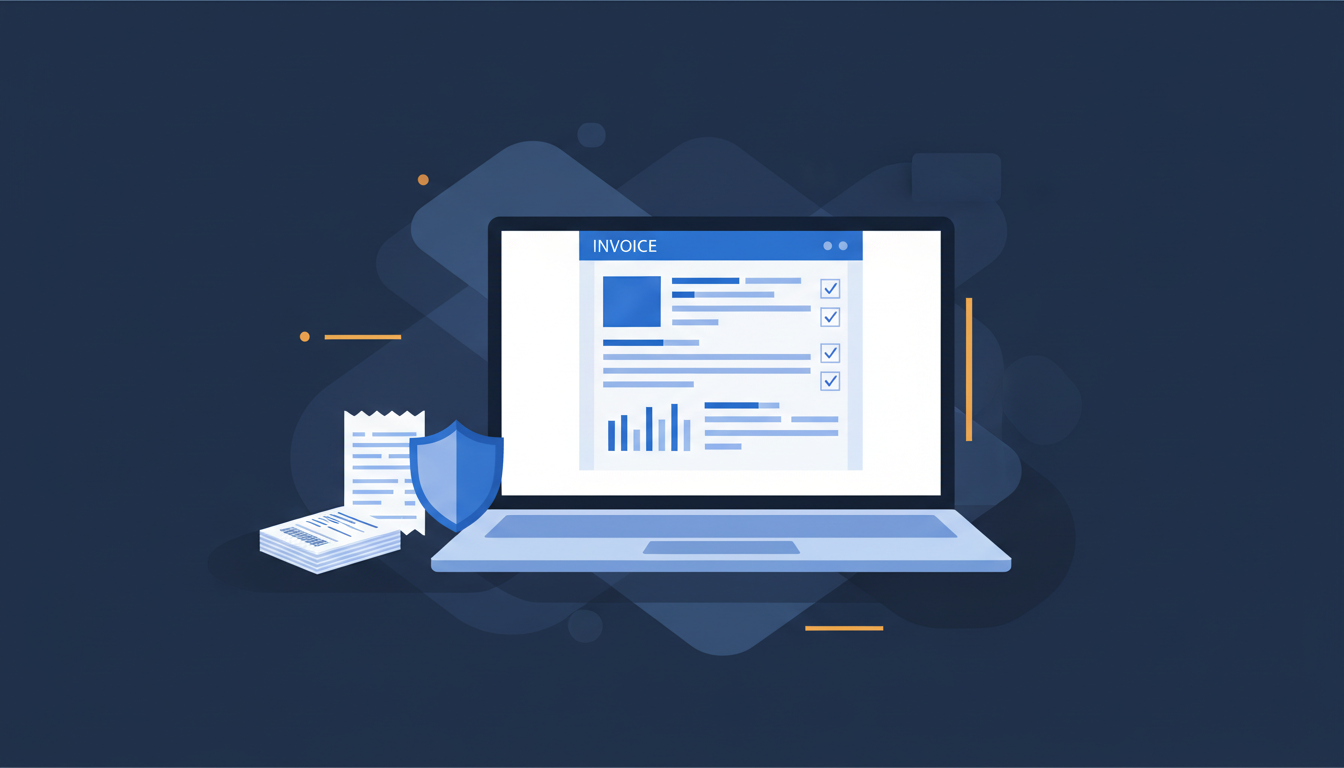
Guest list software is the system a nightlife venue or promoter uses to add names, confirm arrivals at the door, sell tables and bottles, and track which promoter brought in which guests. A good system does this in real time, so the door team, the promoter and the venue manager all see the same numbers. This article explains what to build in, what to keep simple, and where most early versions fail.
Why spreadsheets and WhatsApp lists break down
Many promoters still run their guest lists in shared spreadsheets and chat groups. That works for one event with a few promoters. It stops working when three or more promoters send names at the same time, the door has duplicate entries, and nobody can tell at the end of the night who actually arrived.
The problems are predictable:
- Duplicate names from two promoters adding the same guest, causing arguments at the door.
- Late changes that never reach the door team.
- Disputed commissions because arrivals were never recorded against a promoter.
- No revenue visibility for table and bottle sales until the cash count.
Core features a guest list system needs
Start with the features that touch the door and the money. Everything else can wait.
Promoter accounts and name submission
Each promoter should log in and submit names against a specific event, with a set number of guest slots or a limit per night. The system should flag duplicates at submission time, not at the door. Promoters should see their own list status (pending, approved, arrived) without seeing other promoters' guests.
Door check-in that works offline
Door staff need a fast check-in screen: search by name or phone number, mark arrival, and see whether the guest is already in. Wi-Fi in clubs is often weak, so the check-in view should cache the list on the device and sync when the connection returns. Without this, a single outage stops the entrance.
Table and bottle sales
Table sales are often the largest revenue line for a night. The system should record each table as a product with a minimum spend, link it to the booking promoter, and track deposits, balances and cancellations. If you already run a venue system, the table data should flow into it rather than living in a separate file. Our ERP System service covers how sales, deposits and accounting can share one database.
Promoter commission tracking
Commission rules differ between venues. Some pay per arrival, some per table sold, some a fixed fee per night with a bonus above a threshold. Build the rule engine to match your actual contracts, and store the rule that applied to each event so that past payouts can be audited. Commissions should be calculated from recorded arrivals and paid sales, never from the number of names submitted.
Live reporting for the venue manager
During the night, the manager should see: guests submitted versus arrived per promoter, table revenue so far, and capacity against the venue's limit. After the night, the same data should export to accounting. Real-time dashboards are straightforward to build once the data model is right; the hard part is making sure every arrival is recorded at the door.
What to leave out of version one
Early versions often try to do too much. Leave these for later unless they are critical to your operation:
- Public ticket marketplaces and payment processing for general admission
- Complex loyalty points before you have clean guest data
- Automated marketing emails to every guest on the list
- Detailed promoter social analytics
A narrow first release that handles submission, check-in, table sales and commissions is usually enough to replace the spreadsheet and prove the process. Our blog covers how to plan these releases in stages.
Comparing the options
| Approach | Best for | Main risk |
|---|---|---|
| Shared spreadsheet and chat | One venue, one promoter, low volume | Duplicates and disputed payouts |
| Generic ticketing tool | Standard events with fixed tickets | Weak fit for promoter commissions and table minimums |
| Custom promoter and venue platform | Multiple promoters, table sales and custom commission rules | Higher upfront cost and a need for clear requirements |
How we approached this in practice
We built the Promo Mngr platform as a mobile-first system for nightlife promoters, talent and the venues that work with them. It covers promoter websites, guest lists, ticket and table sales, campaigns and real-time performance tracking. The lesson we would pass on is that the guest list is only useful when the door, the promoter and the finance view all read from the same record. You can see the project on our projects page.
Questions to answer before you build
- How many promoters submit names per night, and what is the maximum guest count per event?
- What is the exact commission rule, and who approves it?
- Does the door need to work without internet?
- Which sales (tables, bottles, cover charges) must reach your accounting system?
- Who owns the guest data, and how long must it be kept?
If you can answer these clearly, you can write a short requirements document that vendors can price accurately. If you want help turning your rules into a scoped plan, contact us and a specialist will arrange a consultation.
Frequently asked questions
What is guest list software?
Guest list software lets promoters submit names for an event, lets door staff check guests in on arrival, and records table and bottle sales against the promoter who brought the guests. It replaces shared spreadsheets and chat groups with one live record.
How do promoter commissions get calculated?
Commissions are usually based on recorded arrivals, table sales or a fixed fee per night, sometimes with a bonus above a threshold. The system should store the rule that applied to each event so payouts can be audited later.
Can guest check-in work without internet?
Yes, if the door app caches the guest list on the device and syncs when the connection returns. This matters because many nightlife venues have unreliable Wi-Fi during peak hours.
How long does a custom guest list system take to build?
A focused first release covering submission, check-in, table sales and commissions can be delivered in a few weeks, while a full platform with campaigns and analytics runs over several months. Milestones should be agreed before work starts.